Nectary Field GuideCard 1 of 15
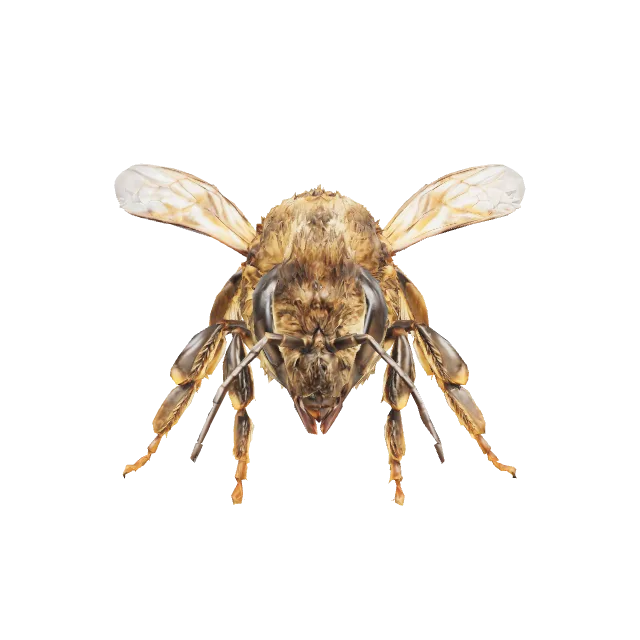
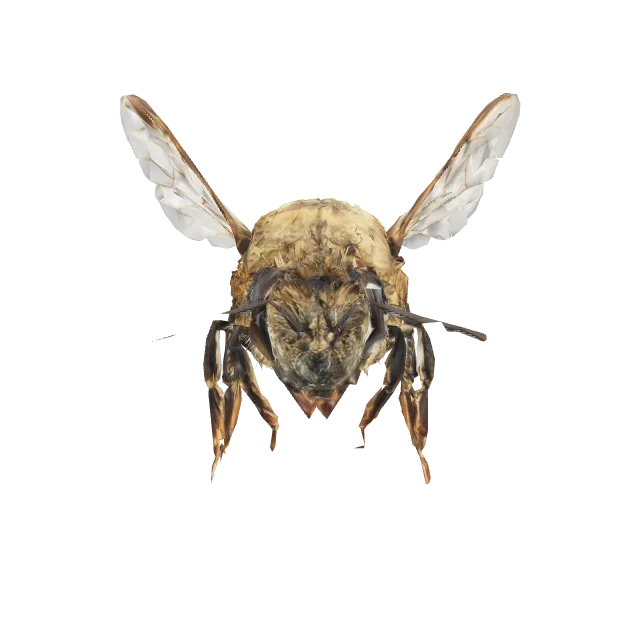
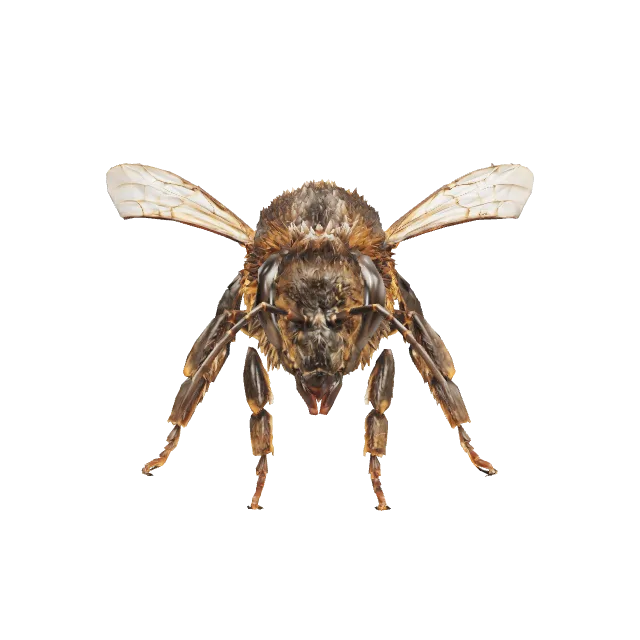
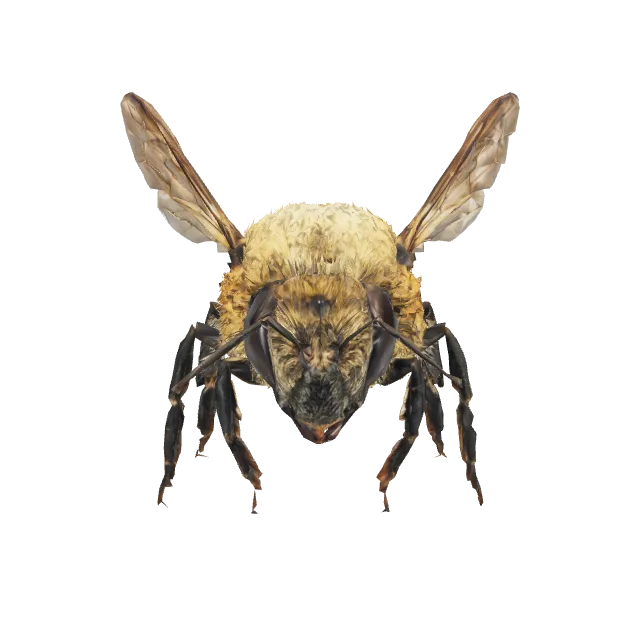
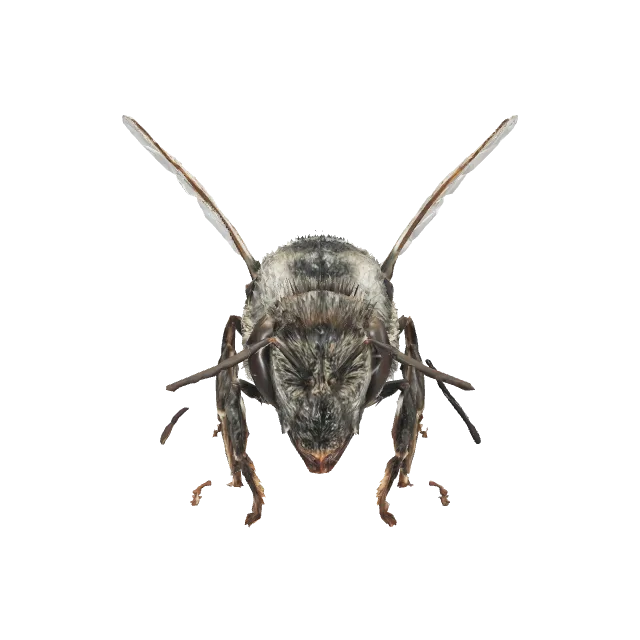
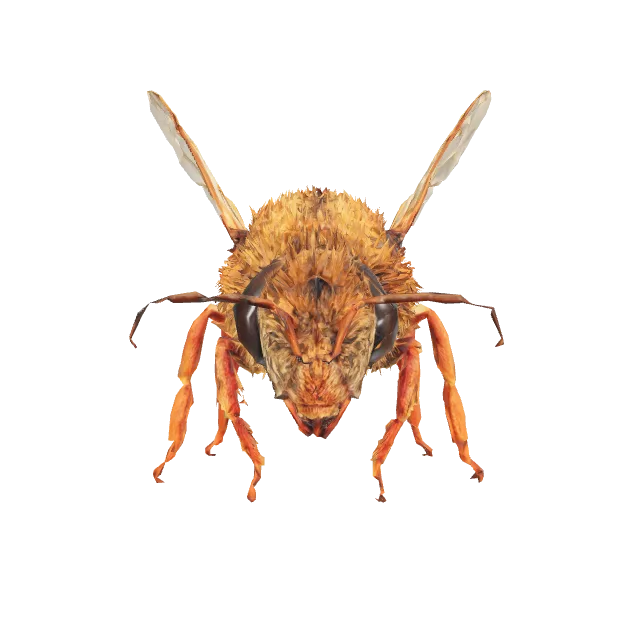
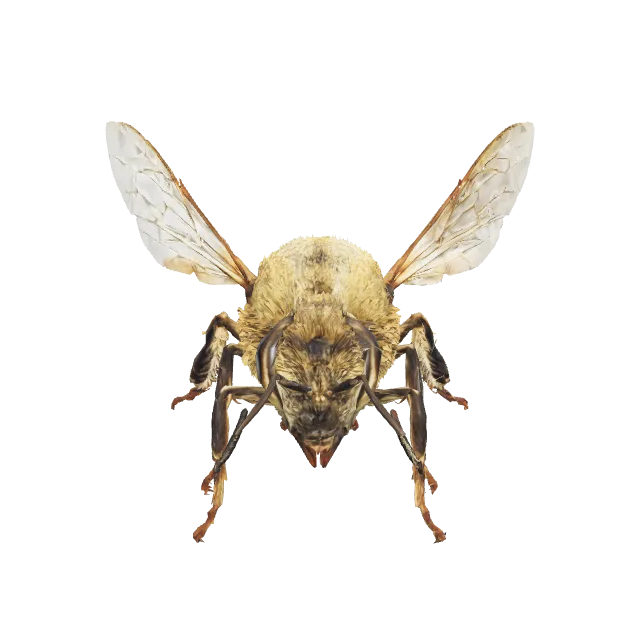
Western honey bee
Apis mellifera
- Size Workers 10 to 15 mm long
- Range Native to Europe, Africa and parts of Western Asia; now on every continent except Antarctica
- Status Data Deficient, European Red List of Bees, 2014
Inside the dark hive, a worker dances on the wax comb to show her sisters where food is, using gravity as her guide. When a swarm is choosing a new home, scouts dance in daylight on top of other bees to advertise the nest sites they have found.
Nectary Field GuideCard 1 of 15
Western honey bee
- Researchers count 33 subspecies, grouped into five lineages, with African, Mediterranean and northern European bees among them.
- A summer worker lives about 30 days. The workers raised in autumn, called winter bees, live about 130 days on average, long enough to carry the colony to spring.
- In cold weather the workers huddle into a cluster and warm it from the inside by eating honey they stored earlier in the year. The center of the cluster stays between 27 and 35 degrees Celsius, while its outer edge is only 10 to 15.
- It pollinates crops and adds billions of dollars a year to the world economy. It is also a favorite animal for studying learning, the brain and how societies evolve. Where hives are very crowded, it can compete with native bees for flowers.
Status: Data Deficient, European Red List of Bees, 2014.
Sources: Beekman and colleagues, Frontiers in Ecology and Evolution (2015), CC BY; Burrows and colleagues, Exotic Bee ID, USDA APHIS (2021), public domain; Holzer and colleagues, Insects (2026), CC BY; Schneider and colleagues, Biodiversity Data Journal (2024), CC BY; Minaud and colleagues, Heliyon (2024), CC BY.